


Showing posts with label Atherosclerosis. Show all posts
Showing posts with label Atherosclerosis. Show all posts
Monday, 12 March 2012
Sunday, 11 March 2012
Causes of Atherosclerosis
Over time, as you gradually age, your arteries naturally begin to harden and get narrower, leading to atherosclerosis. However, there are many factors that can dangerously accelerate this process. These are described below.
High-fat diets and cholesterol
Cholesterol is a type of fat that is essential for the functioning of the body. Cholesterol helps to produce hormones, to make up cell membranes (the walls that protect individual cells) and to protect nerve endings.

There are two main types of cholesterol:
- Low-density lipoprotein (LDL-C) is mostly made up of fat, plus a small amount of protein. This type of cholesterol can block your arteries, so it is often referred to as 'bad cholesterol'.
- High-density lipoprotein (HDL-C) is mostly made up of protein, plus a small amount of fat. This type of cholesterol can help to reduce any blockage in your arteries, so it is often referred to as 'good cholesterol'.
Most of the cholesterol that your body needs is manufactured by your liver. However, if you eat foods that are high in saturated fat, the fat is broken down into LDL-C or more commonly referred to as bad cholesterol.
Foods that are high in saturated fat include:
- butter
- biscuits
- cakes
- bacon
- sausages
- processed meat
- cream
The LDL-C l sticks to your artery walls in the form of fatty deposits which, over time, gradually build up, narrowing, or completely blocking, your blood supply. The fatty deposits are also known as plaques or atheroma.
As well as a high-fat diet, a lack of regular exercise, being obese and drinking excessive amounts of alcohol can also increase the levels of LDL cholesterol in your body. The medical term for having high cholesterol is hyperlipidemia.
Smoking

Smoking can damage the walls of your arteries. If your arteries are damaged by smoking, blood cells, known as platelets, will form at the site of the damage to try to repair it. This can cause your arteries to narrow.
Smoking also decreases the blood's ability to carry oxygen around your body, which increases the chances of a blood clot occurring.
High blood pressure
If you have high blood pressure (hypertension) it will damage your arteries in the same way as cigarette smoke. Your arteries were designed to pump blood at a certain pressure. If that pressure is exceeded, the walls of the arteries will be damaged. High blood pressure can be caused by:
- stress
- being overweight
- drinking excessive amounts of alcohol
- smoking
- a lack of exercise
Lack of exercise
As with being overweight or obese, a lack of exercise is not directly related to an increased risk of atherosclerosis and cardiovascular disease (CVD). However, it is linked to an increased risk of being overweight or obese and having high blood pressure (hypertension).
As with being overweight or obese, a lack of exercise is not directly related to an increased risk of atherosclerosis and cardiovascular disease (CVD). However, it is linked to an increased risk of being overweight or obese and having high blood pressure (hypertension).
Obesity

Being overweight or obese does not directly increase your risk of developing atherosclerosis and CVD, but it does lead to related risk factors that do. In particular, people who are overweight or obese:
- have an increased risk of developing high blood pressure
- tend to have higher levels of cholesterol as a result of eating a high-fat diet
- have an increased risk of developing type 2 diabetes
Diabetes
If you have poorly controlled type 1 or type 2 diabetes, the excess glucose in your blood can damage the walls of your arteries.
Alcohol

Drinking an excessive amount of alcohol can cause high blood pressure (hypertension) and raised blood cholesterol levels, increasing your risk of developing atherosclerosis and CVD.
Most heavy drinkers also tend to have other unhealthy habits, such as smoking, eating a high-fat diet and not taking enough exercise.
Family history
If you have a first-degree relative (a parent, or a brother or sister) with atherosclerosis and CVD, you are twice as likely to develop similar problems compared with the population at large.
Ethnicity
Rates of high blood pressure and diabetes are higher among people of African and Afro-Caribbean descent. This means that people in this group also have an increased risk of developing atherosclerosis and CVD.
People of South Asian descent (those from India, Bangladesh, Pakistan and Sri Lanka) are five times more likely to develop diabetes compared with the population at large. Again, this increases this group’s risk of developing atherosclerosis and CVD.
Air pollution

Research that was carried out during 2009 suggested that air pollution, in particular traffic pollution, can cause a slight increase in levels of atherosclerosis.
Researchers found that people living within 50 metres of a major road had higher levels of atherosclerosis than would otherwise be expected.
The Natural History of Atherosclerosis
The atherosclerotic process is associated with the aging process. Having been documented in the autopsies of ancient mummies, atherosclerosis appears to be universal in humans throughout the history of mankind. This natural history can be documented in every human.
The natural history of atherosclerosis begins at birth. The arteries are patent and clean at birth. Atherosclerosis begins in childhood ( by the age of 10) as deposits of cholesterol and its esters, referred to as fatty streaks, in the intima of large muscular arteries.
In some people and at certain arterial sites, more lipid accumulates and is covered by a fibromuscular cap to form a fibrous plaque. Further changes in fibrous plaques render them vulnerable to rupture, an event that precipitates occlusive thrombosis and clinically manifest disease (sudden cardiac death, myocardial infarction, stroke, or peripheral arterial disease).
In some people and at certain arterial sites, more lipid accumulates and is covered by a fibromuscular cap to form a fibrous plaque. Further changes in fibrous plaques render them vulnerable to rupture, an event that precipitates occlusive thrombosis and clinically manifest disease (sudden cardiac death, myocardial infarction, stroke, or peripheral arterial disease).
In adults, the fibrous plaque
invades a large part of the artery, damaging the artery to the extent of
precipitating a clinical event. This stage of the disease is called "Clinical
Lesions". Elevated
non-HDL-cholesterol concentrations, low HDL-cholesterol concentrations,
hypertension, smoking, diabetes, and obesity are associated with advanced
atherosclerotic lesions and increased risk of clinically manifest
atherosclerotic disease.
The figure below shows the natural history of atherosclerosis against the ageing process:
The figure below shows the natural history of atherosclerosis against the ageing process:
 |
The development of the fatty streak in childhood is depicted as a reversible process. In adolescence, some fatty streaks accumulate more lipid and begin to develop a fibromuscular cap, forming the lesion termed a fibrous plaque. In subsequent years, fibrous plaques enlarge and undergo calcification, hemorrhage, ulceration or rupture, and thrombosis. Thrombotic occlusion precipitates clinical disease, depending on which artery is affected.
Reference: http://www.indiana.edu/~k562/athero.html |
What is Atherosclerosis?
Atherosclerosis (also known as arteriosclerotic vascular disease or ASVD) is a condition in which an artery wall thickens as a result of the accumulation of fatty materials such as cholesterol. It is a syndrome affecting arterial blood vessels, a chronic inflammatory response in the walls of arteries, caused largely by the accumulation of macrophage white blood cells and promoted by low-density lipoprotein ( LDL-C - plasma proteins that carry cholesterol and triglycerides) without adequate removal of fats and cholesterol from the macrophages by functional high-density lipoproteins (HDL-C). It is commonly referred to as a hardening or furring of the arteries. It is caused by the formation of multiple plaques within the arteries.
The atheromatous plaque is divided into three distinct components:
- The atheroma ("lump of gruel," from ἀθήρα, athera, gruel in Greek), which is the nodular accumulation of a soft, flaky, yellowish material at the center of large plaques, composed of macrophages nearest the lumen of the artery
- Underlying areas of cholesterol crystals
- Calcification at the outer base of older/more advanced lesions.

Treatment for Atherosclerosis
Atherosclerosis leads to
symptoms such as angina pectoris which can be
treated. Non-pharmaceutical means are usually the first method of treatment
which require the will of a patient, such as cessation of smoking and
practicing regular exercise. If the above method fails to improve condition,
medication would be the next in line. However patented medication should be
consumed as it would not bring other side effects which are found in non
patented medications.
 |
| Examples of patented cholesterol medicine |
Cholesterol
medications. By aggressively
lowering your low-density lipoprotein (LDL) cholesterol, the "bad"
cholesterol, this type of medication can slow, stop or even reverse the buildup
of fatty deposits in your arteries. Boosting your high-density lipoprotein (HDL)
cholesterol, the "good" cholesterol, may help, too. Statin or
Fibrates are examples of medication used for lowering the deposit of fats in
the arteries and is commonly used by medical professionals for treatment.
 |
| Aspirin tablet |
Anti-platelet
medications. This type of medication is
commonly prescribed by doctors to prevent platelets from clotting and blocking
the passage of a vessel. These are called anti-platelet medication, and one of
them is Aspirin which is a common medication. Sudden heart attack would also
need this medication to increase survival.
Beta
blocker medications. These medications are used mainly for coronary artery
disease. They lower your heart rate and blood pressure, reducing the demand on
your heart and often relieve symptoms of chest pain. Beta blockers reduce the
risk of heart attacks and heart rhythm problems.
Angiotensin-converting
enzyme (ACE) inhibitors. These medications can help slow the progression of
atherosclerosis by lowering blood pressure and producing other beneficial
effects on the heart arteries. ACE inhibitors can also reduce the risk of
recurrent heart attacks.
Calcium
channel blockers. These medications lower blood pressure and are
sometimes used to treat angina.
Water
pills (diuretics). High
blood pressure is a major risk factor for atherosclerosis. Diuretics can help
by lowering blood pressure of a person.
Other
medications. Your
doctor may suggest certain medications to control specific risk factors for
atherosclerosis, such as diabetes. Sometimes specific medications to treat
symptoms of atherosclerosis, such as leg pain during exercise, are prescribed.
Sometimes more aggressive treatment
is needed. If you have severe symptoms or a blockage that threatens muscle or
skin tissue survival, you may be a candidate for one of the following surgical
procedures:
 |
| Illustration of Angioplasty |
Angioplasty. In this procedure, your doctor
inserts a long, thin tube (catheter) into the blocked or narrowed part of your
artery. A second catheter with a deflated balloon on its tip is then passed
through the catheter to the narrowed area. The balloon is then inflated,
compressing the deposits against your artery walls. A mesh tube (stent) is
usually left in the artery to help keep the artery open.
Endarterectomy. In some cases, fatty deposits
must be surgically removed from the walls of a narrowed artery. When the
procedure is done on arteries in the neck (the carotid arteries), it's known as
carotid endarterectomy.
Thrombolytic
therapy. If
you have an artery that's blocked by a blood clot, your doctor may insert a
clot-dissolving drug into your artery at the point of the clot to break it up.
 |
| Bypass surgery in action |
Bypass
surgery. Your
doctor may create a graft bypass using a vessel from another part of your body
or a tube made of synthetic fabric. This allows blood to flow around the
blocked or narrowed artery. This surgery usually has its risks but it is very
effective to prevent further complications.
 |
| Variety of fruits and vegetables |
Apart from the above, if cholestrol levels are high a doctor may recommend Therapeutic Lifestyle Changes (TLC) - a three-part program that includes a healthy diet, physical activity, and weight management. With the TLC diet, less than 7% of daily calories should come
from saturated fat found mainly in meat, poultry and dairy products and no more
than 35% of daily calories should come from all fats, including saturated,
trans, monounsaturated, and polyunsaturated fats and less than 200 mg of
cholesterol daily.
Foods high in soluble fibre are also part of a healthy eating
plan as they help block the digestive track from absorbing cholesterol. These
foods include: whole grain cereals such as oatmeal and oat bran, fruits such as
apples, bananas, oranges, pears, and prunes, legumes such as kidney beans,
lentils, chick peas, black-eyed peas, and lima beans.
A diet high in fruits and vegetables can increase important
cholesterol-lowering compounds in the diet called plant stanols or sterols,
which work like soluble fibre.
Fish is also an important part of a heart healthy diet as
fish is a good source of omega-3 fatty acids, which may help protect the heart
from blood clots and inflammation and reduce the risk for heart attack - two fish meals should be eaten each
week - fish high in omega-3 fats are salmon, tuna (canned or fresh), and
mackerel.
It is also good to limit the amount of sodium (salt) that is
eaten by choosing low-sodium and low-salt foods and "no added salt"
foods and seasonings at the table or when cooking and examining food labels for
sodium content.
http://www.mayoclinic.com/health/arteriosclerosis-atherosclerosis/DS00525/DSECTION=treatments-and-drugs
http://www.mayoclinic.com/health/arteriosclerosis-atherosclerosis/DS00525/DSECTION=treatments-and-drugs
Sign and Symptoms of Atherosclerosis
Atherosclerosis
doesn’t usually have symptoms unless condition gets serious. For example the
narrowing of an artery or a blockage would make signs and symptoms visible for
diagnosis. Usually most people do not know they have this disease unless stroke
or heart disease hit them.
 |
| Plaque building up and narrowing artery |
Some people
may have sign and symptoms of Atherosclerosis but it usually depends on which
arteries get affected.
Coronary Arteries
The coronary arteries supply oxygen-rich blood to our
hearts. If plaque narrows or blocks these arteries at a certain degree (a
disease called coronary heart
disease, or CHD), a common symptom Angina Pectoris may surface. Angina is chest
pain or discomfort that occurs when the heart muscle is deprived of sufficient
oxygen absorption.
Angina may feel like pressure or squeezing in your
chest. Most people mistake Angina as heart attack which is not true as Angina
is clearly milder and cures with enough rest and medication. The pain can be
felt throughout our shoulders, arms, neck, jaw, or back. Angina pain may even
feel like indigestion. The pain tends to get worse with vigorous activities and
cease with rest. Emotional distress may also trigger Angina as the heart is
stressed when in distress.
Other symptoms of CHD are shortness of breath and arrhythmias (ah-RITH-me-ahs). Arrhythmias are
problems with the rate or rhythm of the heartbeat.
Plaque also can form in the heart's smallest
arteries. This disease is called coronary
micro vascular disease (MVD).
Symptoms of coronary MVD include angina, shortness of breath, sleep problems,
fatigue (tiredness), and lack of energy.
Carotid Arteries
The
carotid arteries supply oxygen-rich blood to your brain. If plaque narrows or
blocks these arteries a disease called carotid artery disease may surface.
Symptoms of stroke would also appear and seen clearly on oneself such as:
 |
| Deposits and narrowing of the artery |
- Sudden weakness
- Paralysis (an inability to
move) or numbness of the face, arms, or legs, especially on one side of
the body
- Confusion
- Trouble speaking or
understanding speech
- Trouble seeing in one or both
eyes
- Problems breathing
- Dizziness, trouble walking,
loss of balance or coordination, and unexplained falls
- Loss of consciousness
- Sudden and severe headache
 |
| Peripheral Atherosclerosis |
Peripheral
Arteries
Plaque also can build up
in the major arteries that supply oxygen-rich blood to the legs, arms, and
pelvis this disease is known as the peripheral arterial disease, which is
serious at times and a sign of having atherosclerosis.
If these major arteries
are narrowed or blocked, usually numbness or pain will affect the specific
parts but at much serious conditions the affected part may undergo severe and
dangerous infections.
Renal
Arteries
The renal arteries supply
oxygen-rich blood to our kidneys. If plaque builds up in these arteries,
immediate attention is required development of chronic kidney disease maybe of risk. As time passes without appropriate and immediate
treatment, kidney failure will eventually be the next threat.
 |
| Deposits on the renal artery |
Early kidney disease
often has no signs or symptoms. As the disease gets worse it can cause
tiredness, changes in how you urinate (more often or less often), loss of
appetite, nausea (feeling sick to the stomach), swelling in the hands or feet,
itchiness or numbness, and trouble concentrating.
Cerebrovascular
With Atherosclerosis a transient ischemic attack (TIA) may happen before a stroke. Difficulty in speaking or weakness or
numbness on particular sites may be the symptoms of both strokes and TIAs. The
difference: in a TIA, the symptoms go away, usually within an hour, and do not
leave permanent brain injury. This is quite similar to Angina Pectoris compared
to a heart attack.
http://www.nhlbi.nih.gov/health/health-topics/topics/atherosclerosis/signs.html
 |
| Cerebrovascular plaque and thrombus/embolus |
http://www.nhlbi.nih.gov/health/health-topics/topics/atherosclerosis/signs.html
Atherosclerosis - Can it be prevented?
Atherosclerosis is a condition characterized by the thickening of blood vessels, also commonly referred to as "hardening" of the arteries. At its worse, atherosclerosis can cause strokes and heart attacks, which claim thousands of lives in the modern world today.
With the potential gravity of the situation and the seriousness of this disease, it makes perfect sense to make prevention the primary weapon.
Atherosclerosis is closely tied to hypertension or high blood pressure, high cholesterol levels, high triglyceride levels, obesity and diabetes. In other words, persons who suffer from these ailments have an increased risk of developing atherosclerosis. This gives us a huge clue on major steps which would be critical in the prevention of atherosclerosis.
These diseases are almost totally diet and lifestyle related. Poor diets containing too much sugar, too much refined foods, too much saturated fats, too much animal products, as well as lack of physical activity are major causes of all of these ailments. If you wish to prevent atherosclerosis, you must start with your dietary and lifestyle habits.
 |
| Poor diets and lifestyle leading to atherosclerosis |
Further, smoking is another risk factor, and avoiding or quitting the habit is another important part of preventing atherosclerosis. Of course, smoking also causes a whole host of other dangerous diseases, and has no part in any health-promoting lifestyle.
The following are some practical suggestions which could aid a protocol working toward the prevention of atherosclerosis:
- Avoid high cholesterol foods; this includes meat and eggs.
- Avoid saturated fats found in meat and dairy.
- Avoid trans fats, found for example in margarine, hydrogenated oils and some processed foods.
- Consume more fresh fruits and vegetables, especially raw and organic ones.
- Consume more whole foods, such as whole grains, as supposed to refined foods.
- Consume more dietary fiber.
- Watch your salt intake, especially of refined salt.
- DO NOT SMOKE.

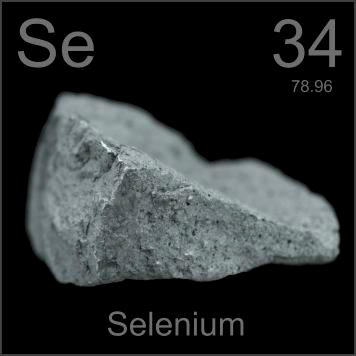
- Make sure you get enough selenium in your diet.
- Maintain healthy weight; if you are overweight or obese, work towards reducing your weight.
- Undertake regular physical activity, especially aerobic exercise.

- Learn to control your anger.
- Consume more Omega-3 fatty acids; good sources include cold water fish, fish oil, and flax seed oil. Supplementation may be a good idea.

- Consume useful herbs and supplements. More on these are covered in the other atherosclerosis pages.
Tuesday, 6 March 2012
Atherosclerosis in Ancient Egypt
Atherosclerosis and vascular calcification are usually regarded as circulatory phenotypes associated with advanced modern lifestyles, it is however evident in the remains of many ancient Egyptians.
The mummification process was usually done for the more affluent members of society, and a rich legacy of archaeological and literary evidence, as well as the pathology preserved in both skeletal and mummified remains, has enabled disease studies to be undertaken.
Marc Ruffer described arterial lesions in hundreds of Egyptian mummies in 1911 and Graham Shattock noted atheromatous deposits in the aorta of King Menephtah in 1909; these findings were later confirmed by John Harris and Edward Wente's radiological survey in 1980, which additionally reported vascular calcification (occurs frequently in atherosclerotic lesions) in the mummies of Ramesses II, Ramesses III, Sethos I, Ramesses V, and Ramesses VI.
 |
Egyptologist Gomaa Abdel-maksoud prepares a mummy for a CT scan. The researchers were looking for evidence of arterial disease in the mummies. This mummy, Hatiay, who lived between 1550 and 1295 BC, had extensive vascular disease.
|
In 2009, computed tomography (CT) was used to assess atherosclerosis in a selection of 22 mummies of Egyptians with high social status. In 16 of these where the hearts or arteries could be identified, nine mummies showed evidence of vascular calcification. However, although arteriosclerosis has been clearly identified in mummies, it seems to have been fairly uncommon in ancient Egypt. This perhaps reflects the life expectancy at the time of between 40 and 50 years, even among the more affluent members of society, but may also result from differences in intakes of foodstuffs between most Egyptians and the affluent elite.
 |
| Computed Tomographic Examples of Atherosclerosis in Ancient Egyptian Mummies and a Contemporary Human |
It is important to point out that there was a marked difference between the mainly vegetarian diet most Egyptians ate and that of royalty and priests and their family members whose daily intake would have included these high levels of saturated fat. Mummification was practised by the elite groups in society, ensuring that their remains have survived to provide clear indications of atherosclerosis; by contrast, there is a lack of evidence that the condition existed among the less well-preserved remains of the lower classes. Since most mummies available for study will inevitably belong to the wealthier members of Egyptian society, most scientific data relate to the health of these people.
Sources:


