


Showing posts with label Stroke. Show all posts
Showing posts with label Stroke. Show all posts
Monday, 12 March 2012
Sunday, 11 March 2012
What is Stroke?
A stroke, also known as cerebrovascular accident (CVA), is the rapid loss of brain functions due
to the lack of blood flow caused by blockage such as thrombosis, arterial
embolism and hemorrhage. When the blood vessels get clogged, the brain cells
become deprived from nutrients and oxygen as there is no blood supply. Eventually,
that part of the brain starts to die. A stroke occurs. The results of having
stroke are impairments in memory, speech ability and physical mobility.
According to National Stroke Association of
Malaysia, stroke is the third largest cause of death in Malaysia
The types of stroke is divided into three:
- Ischemic stroke-It is main type of stroke. It is due to blockage of blood vessels supplying the brain.
- Hemorrhagic stroke-It is due to bleeding into or around the brain.
- Transient ischemic stroke(TIA)- A mini-stroke

Images are from Google Images
_____________________________________________________________________________
Stroke is the third largest cause of death in Malaysia. Only heart diseases and cancer kill more. It is considered to be the single most common cause of severe disability, and every year, an estimated 40,000 people in Malaysia suffer from stroke. Anyone can have a stroke, including children, but the vast majority of the cases affect adults. - National Stroke Association Malaysia
_____________________________________________________________________________
Stroke is the third largest cause of death in Malaysia. Only heart diseases and cancer kill more. It is considered to be the single most common cause of severe disability, and every year, an estimated 40,000 people in Malaysia suffer from stroke. Anyone can have a stroke, including children, but the vast majority of the cases affect adults. - National Stroke Association Malaysia
References:
Risk factors for strokes
Controllable
risk factors


References :
http://cholesterol.about.com/lw/Health-Medicine/Conditions-and-diseases/Cholesterol-and-Stroke-Risk.htm
- High blood pressure
The arteries
wall will weaken when high blood pressure constantly passes through it because
it puts unnecessary strains on the blood vessels of the circular system. Eventually,
it bursts. It will bleed into the brain tissues and spaces between skull and
brain. This affects the brain and causes strokes. If a person has an untreated
hypertension, he will have 4 times the risk of getting a stroke. High blood
pressure also leads to aneurysm. Aneurysm is a ballooning of a portion of a
blood vessel due to the weakening part of its wall. When the pressure is too
high, it burst and leads to stroke again.
- Diabetes mellitus
Uncontrolled diabetic
mellitus causes an increase in the systolic blood pressure. This increases the
blood pressure and leads to stroke.
- Cigarette smoking
Smoking doubles
the risk of stroke. It causes artherosclerosis, which is hardening of blood
vessels. When it hardens, the blood vessels become narrow. This also leads to
high blood pressure, another main risk factor of stroke. The atherosclerotic
plaque that dislodges increases the likelihood of blood clotting. This reduces
the amount oxygen passed to the brain. Eventually some brain cells die due to
lack of oxygen which leads to stroke.
- High blood cholesterol and lipids
High blood
cholesterol and lipids causes artherosclerosis. The formation of plaques on the
wall of blood vessels decreases the amount of blood flow to the brain. At
severe condition, the blood vessel is blocked and the blood supply to the brain
is cut off. This causes stroke.
- High red blood cell count
Excessive amount
of red blood cell thickens the blood which increases the chance of blood
clotting.
Other
controllable risk factors include heart disease, history of transient ischemic attacks,
lack of exercise and physical inactivity, obesity, substance abuse, abnormal
heart rhythm and cardiac structural abnormalities.
Uncontrollable risk factors
- Age
After the age of
55, the risk of getting stroke may be more than double.
- Race
Africans, south
Asians, Hispanic and people from first nations have higher rates of diabetes
mellitus and high blood pressure. This two are the major risk factors of
stroke.
- Gender
Female before
menopause has lower possibility of getting stroke compared to male. However, the
survival rate of female patients with stroke is lower than that of males.
Other
uncontrollable risk factors include history of prior stroke and heredity.
References :
http://cholesterol.about.com/lw/Health-Medicine/Conditions-and-diseases/Cholesterol-and-Stroke-Risk.htm
Treatment for Stroke
Investigation of acute stroke is to
confirm the vascular nature of the lesion, distinguish cerebral infarction from
haemorrhage and identify the underlying vascular disease and risk factors.
Initial investigations includes
simple blood tests, an electrocardiogram and brain imaging. When there is
uncertainty about the nature of stroke, further investigations are carried out.
This usually applied to younger patient who are less likely to have atherosclerotic
disease.

Brain imaging using CT scan or MRI should be carried out in
all patients with stroke. CT
is widely available and the most practical method of imaging the brain.
It will usually exclude non-stroke lesions like subdural haematomas and brain
tumours. CT scan is used to look for bleeding within the brain that may cause
symptoms that mimic a stroke, but are not treated with thrombolytic therapy
with TPA.

MRI is not as widely available as
CT, scanning times are longer and it cannot be used in some individuals with
contraindications. However, MRI diffusion weighted imaging can detect ischaemia
earlier than CT and other MRI sequences can also be used to demonstrate
abnormal perfusion. MRI is more sensitive than CT in detecting strokes that
affects the brain stem and cerebellum. An MRI scan can also be used to
specifically view the blood vessels non-invasively (without using tubes or
injections), a procedure called an MRA
(magnetic resonance angiogram).
Stroke can
also be investigated by computerised tomography with angiography. This
can be done by using dye and inject it into a vein
in the arm. Images of the blood vessels in the brain can give information
regarding aneurysms or arteriovenous malformations. Besides, other abnormalities of brain
blood flow may be evaluated.

Tissue plasminogen activator (TPA). Alteplase (TPA) is used to dissolve the blood clot that is causing the
stroke. The earlier it is given, the better the result. TPA must be given
within four and a half hours after the onset of symptoms. For patients who
waken from sleep with symptoms of stroke, it counts when they were last seen
in a normal state.TPA is injected into a vein in the arm but the time frame for
its use may be extended to six hours if it is dripped directly into the blood
vessel that is blocked requiring angiography, which is performed by an
interventional radiologist. This technology is not availble in all hospitals.TPA
may reverse stroke symptoms in most patients but it may also cause bleeding in
some patients, causing stroke to become worse.

Heart tests are often performed in stroke patients to search for the
source of an embolism. Electrocardiograms (EKG or ECG) can be used to detect abnormal heart rhythms .

Blood tests
are done to check for kidney and liver function, electrolyte abnormalities, blood clotting function and
anaemia.

Heparin
Formal
anticoagulation with heparin has been widely used in treating stroke in the
past. This does improve the patient’s recovery. However, whether the use of anticoagulation improves the outcome
from the current stroke or simply helps to prevent subsequent strokes.

Aspirin
Aspirin
should be started immediately after an ischaemic stroke unless rt-PA has been given, in which case it should
be withheld for at least 24 hours. Aspirin reduce the risk of early recurrence
and has a small but measurable effect on long-term outcome.
Corticosteroids, haemodilution, vasodilators and
‘neuroprotective’ agents
Routine use of these agents should be avoided because they may have
adverse effects. None of it has been shown to improve patient outcomes.
Managing other Medical Problems
- Patient will be given fluids because if the patient is having a stroke, he or she may often be dehydrated.
- Patients who have difficulty in breathing will be assessed and treated.
- Oxygen may be given to make sure that the brain is getting the maximal amount.
- Patients are not allowed to eat or drink until his or her ability to swallow is assessed.
- Medicine including pills, nitroglycerin paste or IV injections can be used to lower the blood pressure. However, blood pressure should not be too low so that the brain can get enough oxygen. If the blood pressure is very high, patients would be placed on a continuous IV flow of medication.
- The blood sugars level of patients with diabetes is often elevated after a stroke. The glucose level in patients should be controlled to minimise the size of strokes.
- Patients who have ischemic attacks may undergo blood pressure and cholesterol medications even if the blood pressure and cholesterol levels are within acceptable levels.
- No smoking .
Management is
aimed at minimising the volume of brain that is irreversibly damaged,
preventing complications , reducing the patient’s disability and handicap
through rehabilitation, and reducing the risk of recurrent episodes.
The rehabilitation process is shown
in the following:

- occupational therapy - To regain the function in the arms and hands .
- physical therapy- To improve strength and help in walking.
- speech therapy - To relearn talking and swallowing.
- family education - To help them in facing and coping with types of challenges in life.
However,
total recovery is not really possible in many cases but many stroke patients can return to their
independent lives.
Patients who have more severe stroke
are transferred from the acute care hospital setting to a skilled nursing
facility to be monitored and continue physical and occupational therapy.
Reducing
the risk of further strokes and other vascular problems
The average risk of having a further
stroke is 5-10% within the first week of stroke or TIA, perhaps 15% in the
first year and 5% per year thereafter. Patients with ischaemic events should be put
on long-term antiplatelet drugs and statins to lower down cholesterol level.
The risk of recurrence after strokes can be reduces by blood pressure
reduction,even for those with blood pressure in the normal range.
Saturday, 10 March 2012
Signs and Symptoms of Stroke
Brain cells will not be able to function well when
the brain is lack of oxygen. So this causes the person who is having stroke
unable to do things properly. The symptoms of stroke depend on the amount of
brain tissue damage and also the area of brain that has been affected. Small stroke
may not cause any symptom but it can still damage brain tissue.
Stroke symptoms usually come suddenly. This is because they are caused
by an abrupt interruption of blood flow to an area of the brain. It only takes a few seconds for that part of
the brain to stop functioning.
The symptoms include the following :

- Sudden numbness or weakness of the face, arm or leg on one side of the body.
- Sudden confusion, trouble speaking or understanding.
- Double vision or sudden trouble seeing in one or both eyes.
- Sudden trouble walking, dizziness, loss of balance or coordination.
- Sudden trouble writing.
- Sudden and unusually severe headache . However, only a small proportion of strokes produce headache symptoms. But because of the sudden onset of severe headache, doctors may suspect that there is internal bleeding of the brain that will cause death. So people who go into the emergency room complaining of severe headache are immediately sent to screen for the presence of blood in the brain.
How long the symptoms last is depends on how long the affected part of
the brain remains without blood flow. Short
events of poor blood flow lead to a complete recovery while longer events can leave permanent
deficits.
Strokes usually affect only one
side of the body.
The right side of the brain controls the left side of the body while the left
side of the brain controls the right side of the body . When a blood vessel
carries blood to a part of the brain and is blocked, only the side of the brain
where the blood vessel is located is affected. This causes symptoms in the
opposite side of the body.
If you think you are
having a stroke, you should call 911 immediately. It
is better that you get to the emergency room quickly to get earlier treatment. You
should also get ready to answer the following question to help the doctors
choose the best treatment.
- What time did your symptoms start?
- What is your complete medical history?
- Have you ever had a stroke or had bleeding inside of your brain?
- Do you have any metal inside your body? ( to decide whether MRI can be used for imaging.)
- What medications and supplements do you take on a regular basis?
- Do you have bleeding disorder?
Take
note : You should not wait for the symptoms to go away and you should not take
aspirin on your own . Besides, do not drive to the hospital on your own.
Patients will be admitted to the
hospital for monitoring and further testing to figure out the cause of the
stroke and ways to prevent a future stroke.
Tuesday, 6 March 2012
Prevention and control of stroke
Control through food intake

- Eat a lot of vegetables and fruits.
- High intake of vegetables and fruits reduces the percentage of sodium in our blood. Less sodium means lower risk of getting high blood pressure, which is one of the risk factors of stroke. Vegetables and fruits also are rich sources of antioxidant vitamins and minerals, which reduces the risk of getting stroke.
- Eat low-sodium food to reduce your blood pressure.
- Reduce the intake of food containing high cholesterol and polyunsaturated fat. This reduces the chances of getting artherosclerosis.
- Eat food with high omega 3 fatty acids. Do not exceed the intake of 3 grams of omega 3 fatty acids daily. Omega 3 fatty acids increase our HDL blood cholesterol and reduce the fats in our blood. This helps in reducing our blood pressure. Example of food rich in omega 3 fatty acids are whole grains, walnuts, salmons, sardines, olive oil and garlic.
- Reduce sugar intake to prevent diabetes mellitus, another risk factor of stroke.
Drink plentiful of plain water
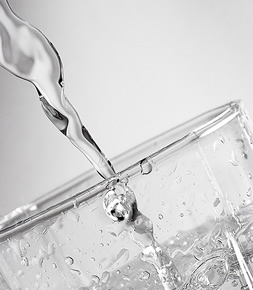
- Do drink more than 8 cups of water a day.
- Do not consume alcohol. If you do, try to reduce it to 2-3 days of alcohol consumption days in a week. Large consumption of alcohol raises the blood pressure immediately, which will lead to stroke.
- Drink tea daily. Based on a report in 2009, researchers have found out that drinking black or green tea reduces the stroke risk by around 20 percent.
- Avoid the temptations of drinks with high sugar content.
Be more physically active

- Exercise for at least 30 minutes twice each week.
- Take the stairs instead of the elevator.
- Exercising reduces our blood cholesterol and blood pressure. it also improves the ability of your body to control the insulin. Exercise intensively to reduce body fat for those that are obese as obesity is one of the risk factors of stroke.
Stop smoking

- Quit smoking immediately if you are a smoker. Smoking causes artherosclerosis and increases the possibility of blood clotting.
- Try nicotine gum which is an antidepressant as one of the way to quit smoking.
Manage medical condition
- Blood pressure should be checked every year. For those who are already having high blood pressure, do check regularly.
- Check for atria fibrillation which is irregular electric pulse in the heart. This will causes blood clots that can lead to stroke.
- Check blood sugar daily for those that have diabetes mellitus. Consume medicine as told by the doctor.
- Cholesterol level should be maintained at less than 240 mg/dL, with LDL below 160 mg/dL and HDL above 40 mg/dL. However, people with the risk factors should maintain their cholesterol level at level below 200 mg/dL, with LDL below 100 mg/dL, and HDL above 60 mg/dL.
*If you are
experiencing any symptoms of stroke such as sudden weakening of limbs, sudden
dizziness, blurring of vision or sudden severe headache, seek for medical
assistance immediately.
References :
Medical reference from university of Maryland
Medical reference from university of Maryland
Natural Approaches to Stroke Prevention, By Cathy Wong, About.com Guide, Updated September 21, 2009
Stroke Prevention, From Marian Anne Eure, former About.com Guide, Updated August 21, 2005
http://www.cdc.gov/heartdisease
http://seniorhealth.about.com/cs/stroke/a/stroke_002700a.htm
http://www.ninds.nih.gov/disorders/stroke/preventing_stroke.htm
Sunday, 4 March 2012
A History of Stroke
The father of medicine, Hippocrates was the
first to recognized stroke many years ago. However, it was not known as stroke,
instead it was called apoplexy, which means “struck down by violence” in Greek.
This is because it causes people to develop sudden paralysis and change in well
being. Doctors have little knowledge about it.
Around mid 1600, Jacob Wepfer found out
that patients who died due to apoplexy were having bleeding in the brain. He
discovered that a blockage in the brain’s blood vessels could cause apoplexy.
Studies on causes, symptoms and treatments of
apoplexy were carried out. In 1928, apoplexy was divided to different
categories based on the cause of the blood vessels problem. The term stroke or
“cerebral vascular accident (CVA) come from this.
In this century, there is a lot of information
available on the cause, prevention, risk and treatment of stroke. Most stroke
patients have a goof chance to survival and recovery though there is no cure
for it.
Facts: 1.According to WHO, 17 million
people suffer stroke worldwide every year.
2. 5 million out of 15 million died and another 5 million are
permanently disabled.
3. High blood pressure is one of the main contributors to stroke.
http://www.yalemedicalgroup.org/stw/Page.asp?PageID=STW022874
http://www.who.int/cardiovascular_diseases/resources/atlas/en/


